Section D: The Intelligence Service That Officially Did Not Exist
Established in 1938, Section D of the Secret Intelligence Service was charged with covert operations that the formal structure could not conduct without political exposure. It recruited outside conventional channels, kept no formal personnel records, and answered directly to a small number of individuals.
Section D was formed within the Secret Intelligence Service in March 1938, under the command of Major Laurence Grand, a Royal Engineers officer with no previous background in intelligence work.[1] Its brief, in the language of the period, was sabotage, propaganda, and "ungentlemanly" operations — the things a conventional military and diplomatic establishment could not be seen to authorise but increasingly needed someone to do. It existed for barely two years before being absorbed, in 1940, into the newly formed Special Operations Executive, but in that short window it built the operational template that SOE, the Auxiliary Units, and the wider apparatus of British irregular warfare would inherit.
What made Section D distinctive, even within an intelligence service built on compartmentalisation, was the near-total absence of paper. Grand's section recruited through personal recommendation rather than formal application, ran operations through cut-out intermediaries who often did not know who they ultimately answered to, and kept deliberately minimal central records of who was working for it and on what.[2] The logic was simple: an organisation that does not officially exist cannot be officially compromised. The cost of that logic, for historians, is that Section D's full activities are reconstructable only in fragments — surviving correspondence, the memoirs of a handful of participants, and the institutional memory of the organisations that absorbed its functions.
"An organisation that does not officially exist cannot be officially compromised."
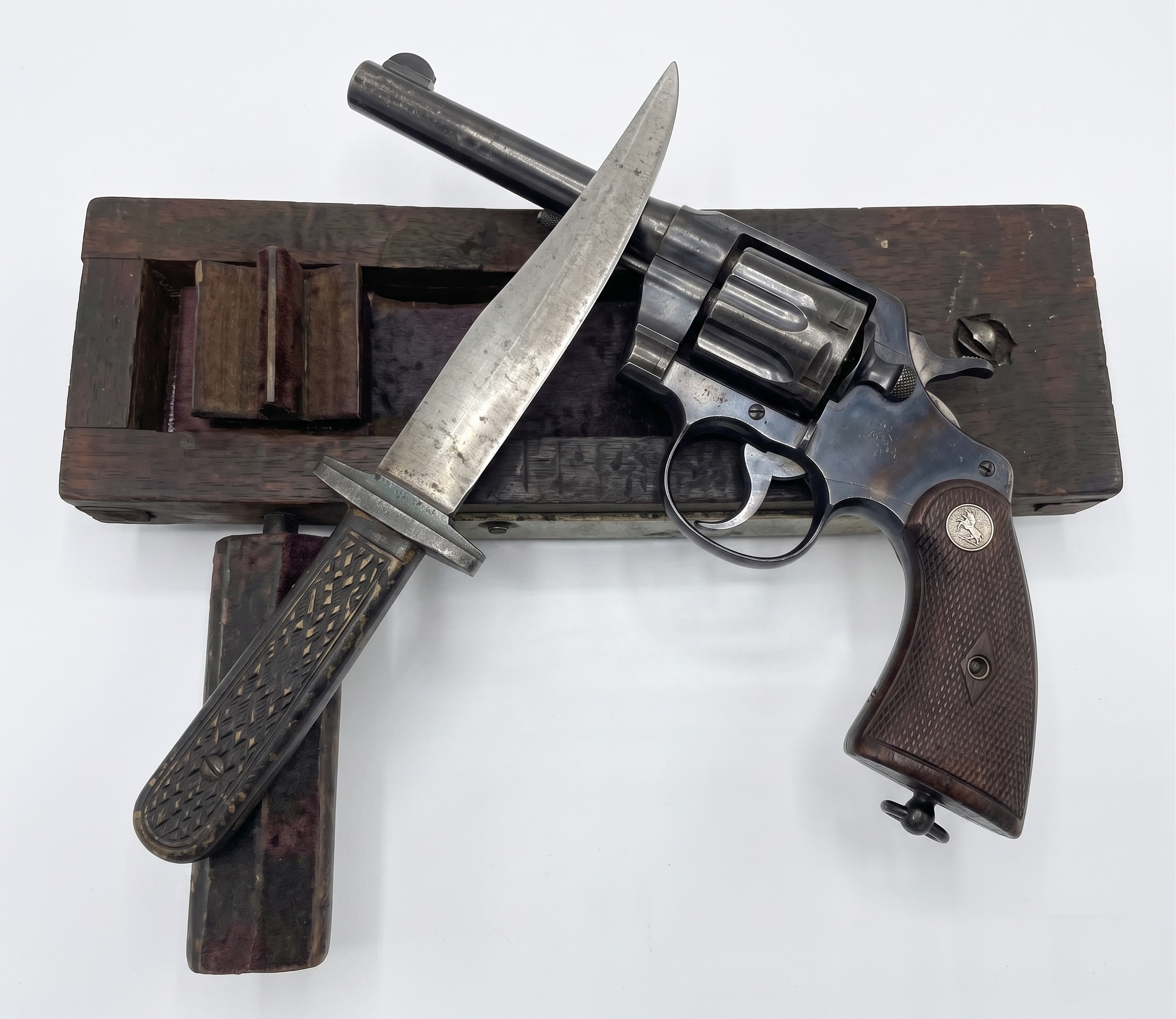
Section D's recruitment style and its preference for working through trusted private individuals rather than formal channels is the documented institutional context for an operation built around a picture framer and taxidermist with access to the great houses of Kent and the Home Counties. A man who could walk into a country house carrying a frame or a mounted bird, install it without remark, and walk out again, was exactly the kind of asset a Section D officer would have recognised the value of immediately — and exactly the kind of asset who would never have appeared in any surviving personnel record, because Section D did not keep the kind of records that would have named him.
"How difficult," Morton said quietly, turning the frame over in his hands, "would it be to make room for something else in here?"
Albert looked at the frame, and then at Morton, and understood that he had just been asked the only question that was going to matter for the rest of his working life.